Regulatory Reforms Reshaping Prize Allocation in Nordic Mobile Gaming Markets
Kirjoittanut Mia Richter · 15.11.2026
Regulatory Reforms Reshaping Prize Allocation in Nordic Mobile Gaming Markets
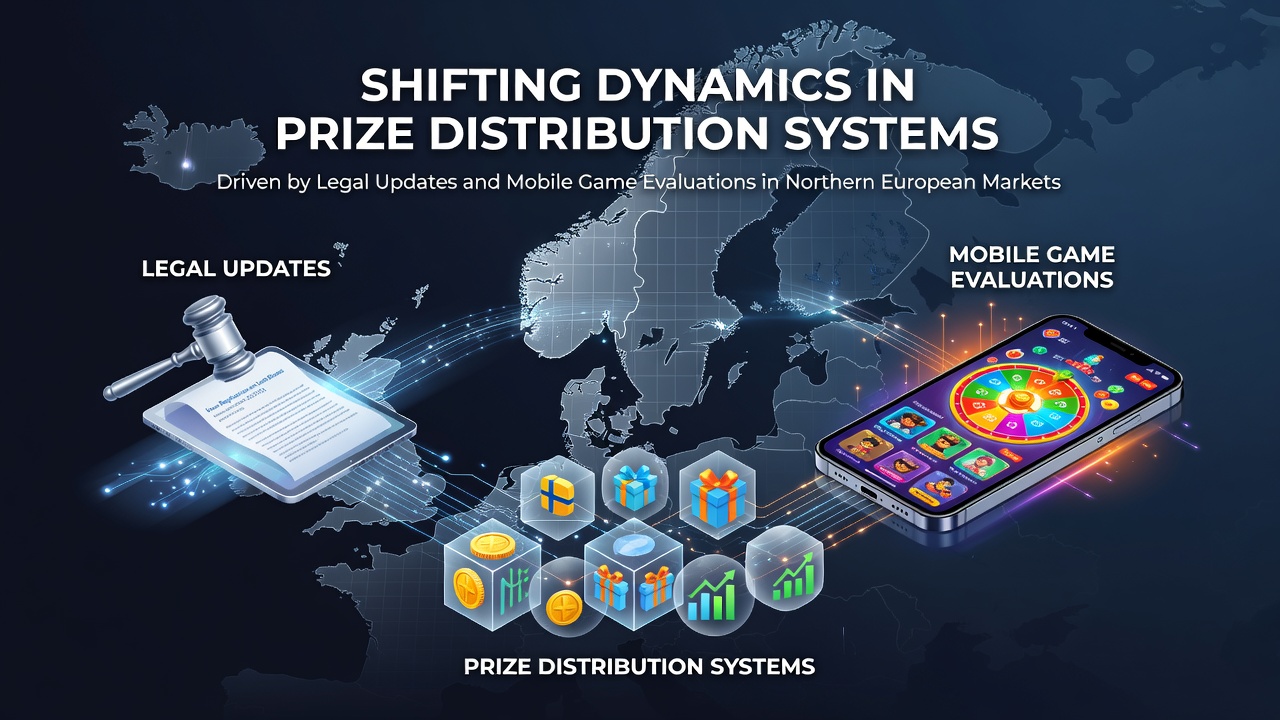
Legal updates across Northern European markets continue to influence how prize distribution systems operate within mobile gaming environments, particularly in Finland, Sweden, Norway, and Denmark. Data from regulatory bodies shows that new compliance requirements have prompted operators to adjust jackpot structures and bonus mechanisms since early 2025, with further implementations scheduled for November 2026.
Legal Frameworks Driving Structural Adjustments
Amendments to national gaming legislation have introduced stricter oversight on how operators allocate rewards in mobile applications. In Finland the Ministry of the Interior has coordinated with Veikkaus to revise payout timelines, while Sweden's Spelinspektionen has enforced updated reporting standards that affect progressive jackpot pools. Observers note these changes align with broader EU directives on consumer protection, where data indicates that transparency measures now require real-time disclosure of prize fund contributions.
Norway's Lotteri- og stiftelsestilsynet has similarly updated guidelines that cap certain reward tiers in sports betting apps, forcing providers to recalibrate distribution algorithms. Those who've tracked these developments report that operators must now submit detailed prize allocation models before launching new mobile titles, a requirement that became mandatory in mid-2025.
Mobile Game Evaluations and Their Role in Prize Modifications
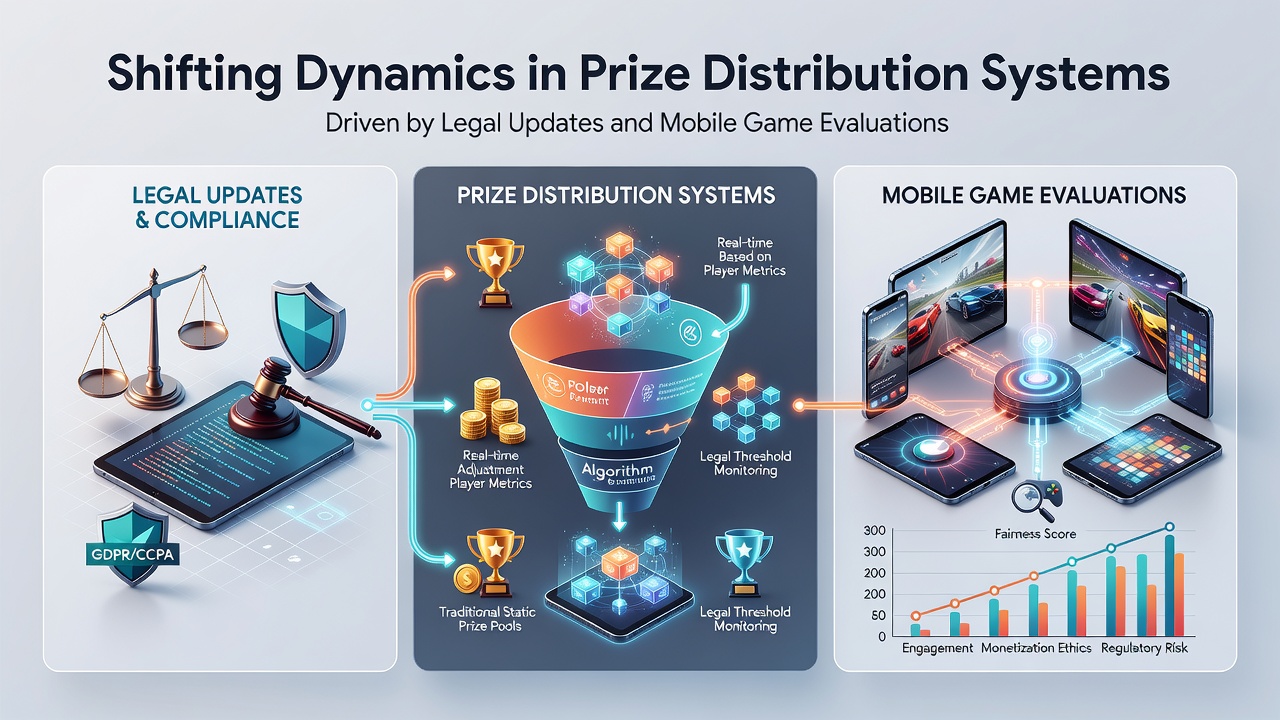
Independent evaluations of mobile gaming applications have gained prominence as regulators incorporate third-party assessments into approval processes. These reviews examine payout fairness, random number generator integrity, and user interface clarity before titles receive certification. Research from Nordic academic institutions shows that titles passing such evaluations often feature revised prize structures that prioritize smaller, more frequent distributions over large jackpot accumulations.
One study conducted by researchers at the University of Helsinki examined 120 mobile slots released between 2024 and 2026, finding that evaluated games displayed a 14 percent shift toward tiered reward systems. This pattern appears across both casino-style and sports betting platforms, where evaluation criteria now include metrics on responsible reward pacing.
Impact on Northern European Operators and Players
Operators in the region have responded by integrating automated compliance tools that adjust prize pools based on evaluation scores and legal parameters. In Denmark the Spillemyndigheden has documented how mobile platforms reduced maximum jackpot sizes in certain categories by 22 percent between January 2025 and October 2026. These adjustments coincide with November 2026 deadlines that require all active applications to demonstrate full alignment with updated distribution protocols.
Players encounter these shifts through modified bonus terms and altered jackpot contribution rates displayed within app interfaces. Figures released by the European Commission indicate that cross-border mobile gaming traffic in the Nordic region grew by 9 percent during the same period, even as prize structures evolved. What's notable is how evaluation-driven changes have encouraged operators to diversify reward types, including instant win features and loyalty-based distributions that replace traditional accumulation models.
Industry associations such as the European Gaming and Betting Association have published guidelines that help developers interpret these requirements without disrupting user engagement. Data shows that platforms incorporating evaluation feedback early achieved faster certification renewals ahead of the 2026 regulatory milestones.
Future Trajectories in Prize System Design
Looking toward late 2026 and beyond, regulators across Northern Europe continue to refine evaluation criteria to include emerging technologies such as AI-assisted payout monitoring. These advancements aim to maintain consistent prize distribution standards while accommodating new mobile game formats. Reports from research bodies highlight that ongoing legal updates will likely emphasize verifiable fairness metrics, prompting further evolution in how operators structure both jackpot and non-jackpot rewards.
Conclusion
Legal updates combined with mobile game evaluations have produced measurable changes in prize distribution across Nordic markets. Operators now operate under frameworks that demand greater transparency and adjusted reward pacing, with November 2026 marking a key compliance checkpoint. These developments reflect coordinated efforts among regulatory authorities, evaluation bodies, and industry participants to align mobile gaming practices with evolving legal expectations.